It kicked the door in.
It made you stop.
Made you think.
Sometimes made you laugh.
Occasionally made you uncomfortable.
But above all…
It got read.
And that’s the part most modern marketers seem to have quietly forgotten.
“Does She… Or Doesn’t She?”
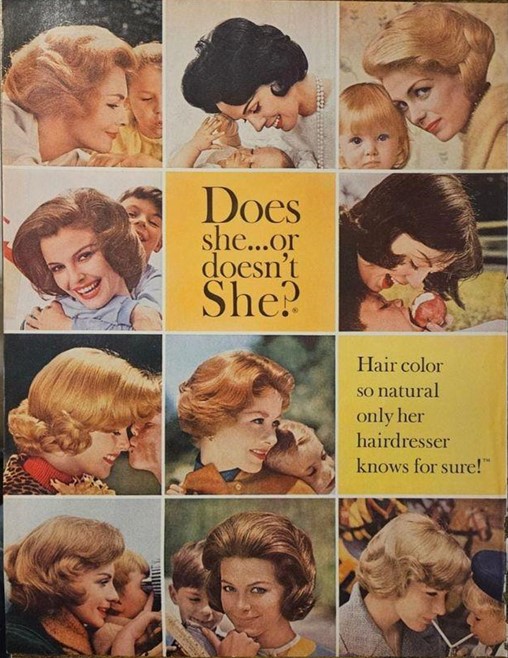
Only her hairdresser knows for sure.”
This campaign from Clairol, written by Shirley Polykoff, didn’t talk about ingredients. Or price. Or even performance.
It addressed something far more powerful:
👉 The fear of being found out.
At the time, women colouring their hair wasn’t openly discussed. It carried a quiet social stigma. The worst outcome wasn’t bad colour — it was exposure.
So instead of selling hair dye…
It sold plausible deniability.
And it worked.
“Banned By Priests… Yet Eaten By Millions”
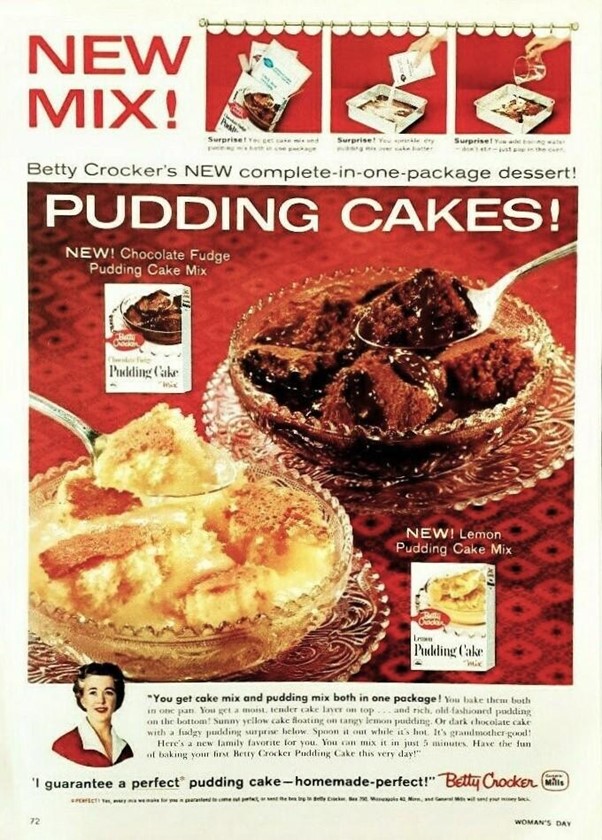
Whether the exact wording varied or not doesn’t really matter.
Because the mechanism is crystal clear:
- Authority (priests)
- Prohibition (banned)
- Indulgence (eaten by millions)
It makes no logical sense.
But it creates an itch in your brain that demands scratching.
👉 Why would priests ban a food?
And just like that… you’re reading.
“Guaranteed To Contain No Illegal Sexual Stimulants”
Because it’s doing something very few modern ads dare to do:
👉 Deny something… in order to imply it.
On the surface, it’s reassurance.
But underneath?
It plants a completely different idea:
“This must be pretty potent stuff…”
It’s cheeky. It’s bold. It’s borderline inappropriate.
And it’s unforgettable.
What These Ads Understood (That Most Ads Don’t)
They were built on principles that are just as true today as they were then:
1. Attention Comes First
If nobody reads your ad… nothing else matters.
Not your offer.
Not your targeting.
Not your clever funnel.
No attention = no sale.
2. Emotion Beats Information
None of these ads led with features.
They led with:
- Fear (being found out)
- Curiosity (banned by priests?)
- Intrigue (illegal stimulants?)
Because emotion moves people. Information just justifies the decision later.
3. The Sideways Sell Is Stronger
The best ads don’t always say the thing directly.
They hint at it.
They let the reader connect the dots.
And when someone arrives at the conclusion themselves…
…it sticks.
And Then… Advertising Went Beige
You see it everywhere:
- “We pride ourselves on quality service”
- “Our experienced team is here to help”
- “Customer satisfaction is our priority”
You could swap the logo out on most ads and nobody would notice.
They’re not wrong.
They’re just… invisible.
“But You Can’t Say That Anymore…”
You can’t run half these headlines today without triggering compliance alarms, platform bans, or a small army of keyboard warriors.
But here’s the mistake people make:
They think the words are the magic.
They’re not.
👉 The mechanism is.
How To Use This Today (Without Getting Yourself Banned)
You need to be interesting.
Here’s what that looks like in a modern context:
Instead of:
“High quality hair services”
Try:
“Hair that actually behaves — even on your worst mornings.”
Instead of:
“We specialise in colour”
Try:
“They’ll notice you look better. They just won’t know why.”
Instead of:
“Book your appointment today”
Try:
“If you’ve been disappointed before… this is where it changes.”
Same principles.
Different delivery.
The Real Problem Isn’t Your Offer
They have a blandness problem.
They’ve been told — implicitly or explicitly — to tone it down.
Play it safe.
Don’t offend.
Don’t stand out too much.
And in doing so…
They’ve made themselves completely forgettable.
Final Thought
They were brave enough to be interesting.
And that’s the line worth walking today.
Not outrageous for the sake of it.
But bold enough to interrupt someone’s day…
…and earn the right to be heard.
If your current marketing feels like it’s being politely ignored…
It might not need a complete overhaul.
It might just need a little more… teeth.